
A road renewed for its actual use
Failures are exposed
We identify soft areas and damaged edges before new material goes down.
Connections fit neatly
Junctions and adjoining surfaces are included in the preparation plan.
Traffic shapes the work
We consider expected vehicles when discussing depth and construction.
Know when a road needs more than patches
An isolated defect may need a repair, but repeated patches, long ruts and broken edges often point to a wider failure. We examine the road surface and its foundation to find deformation, water damage and material that must come out. Road resurfacing in Rochester can renew a suitable existing structure after the necessary preparation. A new road needs its construction developed from the supporting layers upwards. Expected traffic, road width, junctions and access all guide the proposed approach. We correct weak areas rather than hiding them beneath a clean-looking top layer.

Every stage supports the finished road
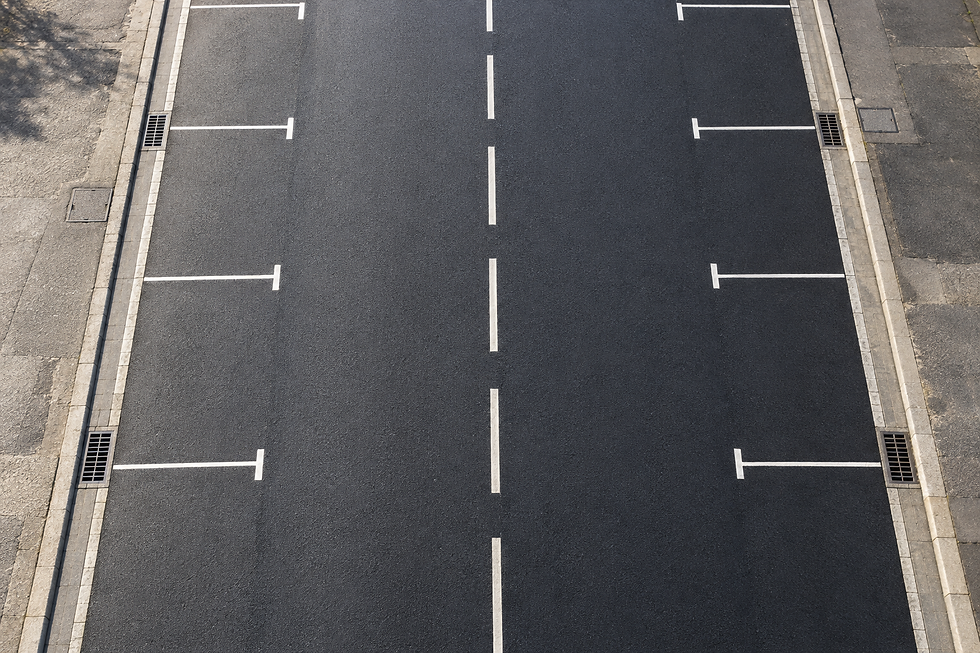
Preparation can include cutting out failures, correcting levels and stabilising edges. We then deal with junctions and connections so the new material meets surrounding surfaces neatly. Careful laying and compaction create an even finish, followed by cooling before vehicles return. We plan traffic and essential access around these stages, especially where the route serves occupied premises. Repairs and road markings can also form part of the wider scheme, reducing the need to arrange separate contractors for connected work.
Frequently asked questions
What is the difference between surfacing and resurfacing?
New surfacing forms a road where a complete construction is required. Resurfacing renews an existing road after we assess and prepare what is already there. Weak foundations or serious deformation may still require deeper reconstruction in selected areas.
Can a badly patched road simply receive an overlay?
Only if the remaining structure is stable and the levels permit it. Connected cracks, movement or trapped water can pass problems into the new layer. We inspect the patched areas and base condition before deciding whether an overlay is a sound option.
How is access managed while a road is resurfaced?
We review who relies on the route, including delivery and service vehicles. The road may need working zones or temporary restrictions during preparation, laying and cooling. We discuss the sequence before starting so essential movements can be planned.